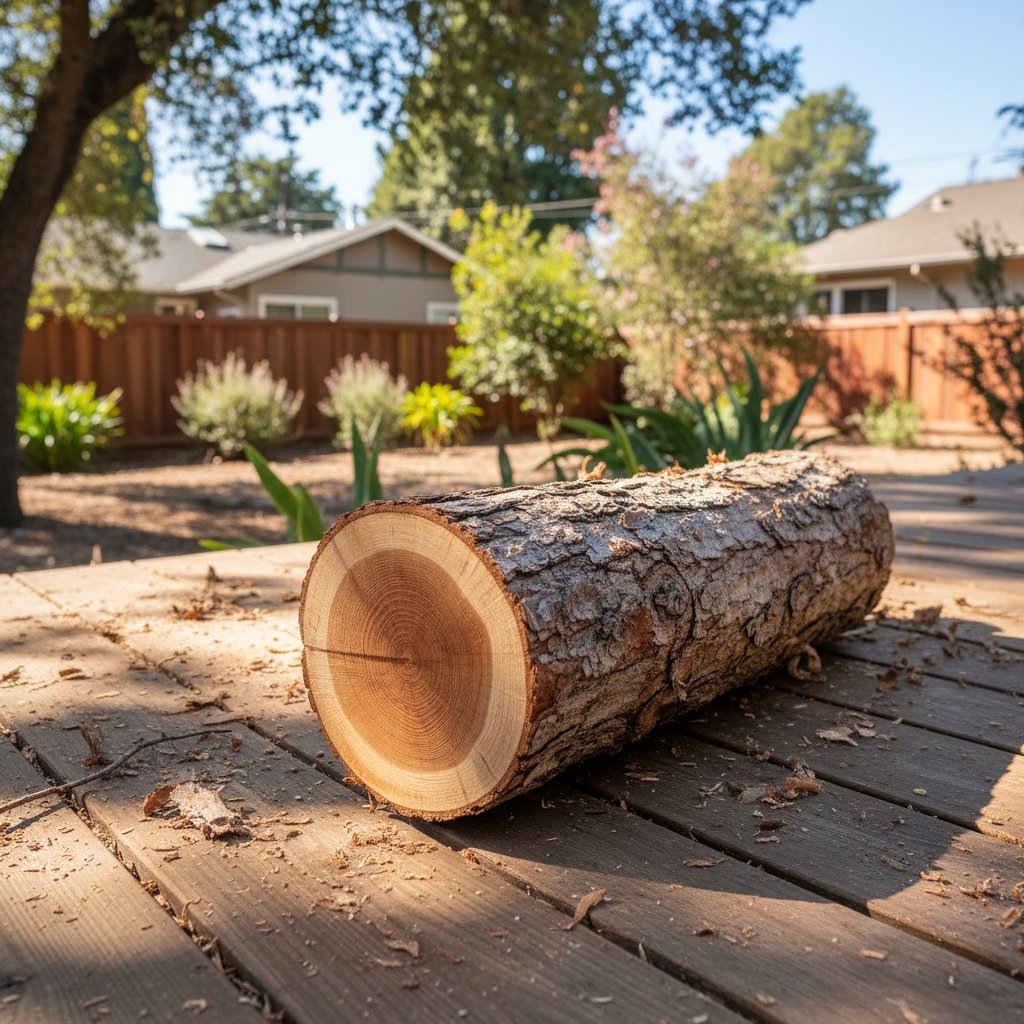
Alright, let's talk about tree trimming. A lot of you folks in Oakland look at your trees and think, "Can I just handle that myself?" And the answer, like most things in life, is sometimes yes, sometimes no. It really depends on the tree, the branch, and your comfort level, doesn't it?
Before You Grab the Pruners
First off, you gotta know what you're dealing with. Before you even think about making a cut, take a good, hard look at the tree. Is it small enough that you can reach everything safely from the ground or a sturdy, short ladder? We're talking branches you can comfortably reach with a pole pruner or hand saw, maybe up to 10-12 feet high. Anything higher than that, or anything that requires you to be on a tall ladder, especially near power lines, is a hard stop. That's pro territory, every single time, no exceptions.
You also need to understand why you're trimming. Are you removing dead wood? Clearing branches away from your house? Maybe you're trying to improve air circulation? Don't just start hacking away. Have a plan. Look for the 'three Ds': Dead, Diseased, or Damaged branches. Those are usually your first targets. Also, any branches that are rubbing against each other, or growing inwards towards the tree's center, can go.
Think about the time of year too. For most deciduous trees around here, late winter or early spring, before new growth starts, is just right. It's easier to see the structure without leaves, and the tree is dormant, so it's less stressed. If you're dealing with fruit trees, that's a whole other ballgame, and timing becomes even more critical for a good harvest. For evergreens, you can often prune a little more flexibly, but still try to avoid extreme heat or cold.
During the Trim: DIY vs. Calling a Pro
Okay, so you've decided you can handle it. Great. Here's how to do it right:
- Use the right tools: For small stuff, hand pruners (bypass, not anvil, for cleaner cuts) are perfect. Loppers work well for branches up to an inch or so. For anything bigger, a hand saw or pole pruner is your friend. Make sure your tools are sharp and clean. Dull tools tear the wood, which is bad for the tree.
- Make clean cuts: This is crucial for the tree's health. You want to cut just outside the branch collar – that slightly swollen area where the branch meets the trunk or a larger branch. Don't cut flush with the trunk, and don't leave stubs. Both can lead to decay and disease.
- Safety first, always: Wear gloves, eye protection, and sturdy shoes. Never stand on the top two rungs of a ladder. If a branch is heavy, cut it in sections to avoid tearing the bark or losing control. If you're using a pole saw, watch for falling branches and keep everyone clear below.
Now, when do you absolutely call us at Oakland Tree Service? Any time you're dealing with:
- Large branches: Anything thicker than your wrist is probably too much for a homeowner to handle safely.
- Height: If you need a ladder taller than 6-8 feet, or if you're working above your head for extended periods, it's time to call in the pros.
- Proximity to power lines: This is non-negotiable. Stay at least 10 feet away from any power lines. Seriously, don't risk it.
- Compromised trees: If the tree looks sick, has significant decay, or is leaning precariously, you need an expert to assess it.
- Complex pruning: Crown reduction, thinning a dense canopy, or shaping a large tree for structural integrity – these are specialized skills.
- Palm trees: Those fronds are heavy, and getting to them often requires specialized equipment.
We've seen too many homeowners get hurt trying to save a buck on a job that was clearly meant for professionals. It's just not worth it, folks.
After the Work Is Done
So, you've made your cuts. What now? Clean up your mess! Seriously, don't leave branches and debris lying around. It's a tripping hazard and can attract pests. You can chip smaller branches for mulch, or bundle them for green waste pickup, which is pretty common here in the East Bay.
Keep an eye on your tree in the weeks and months following the trim. Look for signs of stress, like wilting leaves or unusual sap flow. If you see anything concerning, or if you're just not sure, give us a call. Sometimes, especially with our clay soils in the Oakland hills, trees can be a bit more sensitive to changes, and a little expert advice can go a long way.
Proper trimming helps your trees stay healthy, strong, and beautiful. Doing it wrong, or taking on more than you can handle, can seriously injure you or your tree. So, be smart, be safe, and know when to pick up the phone.