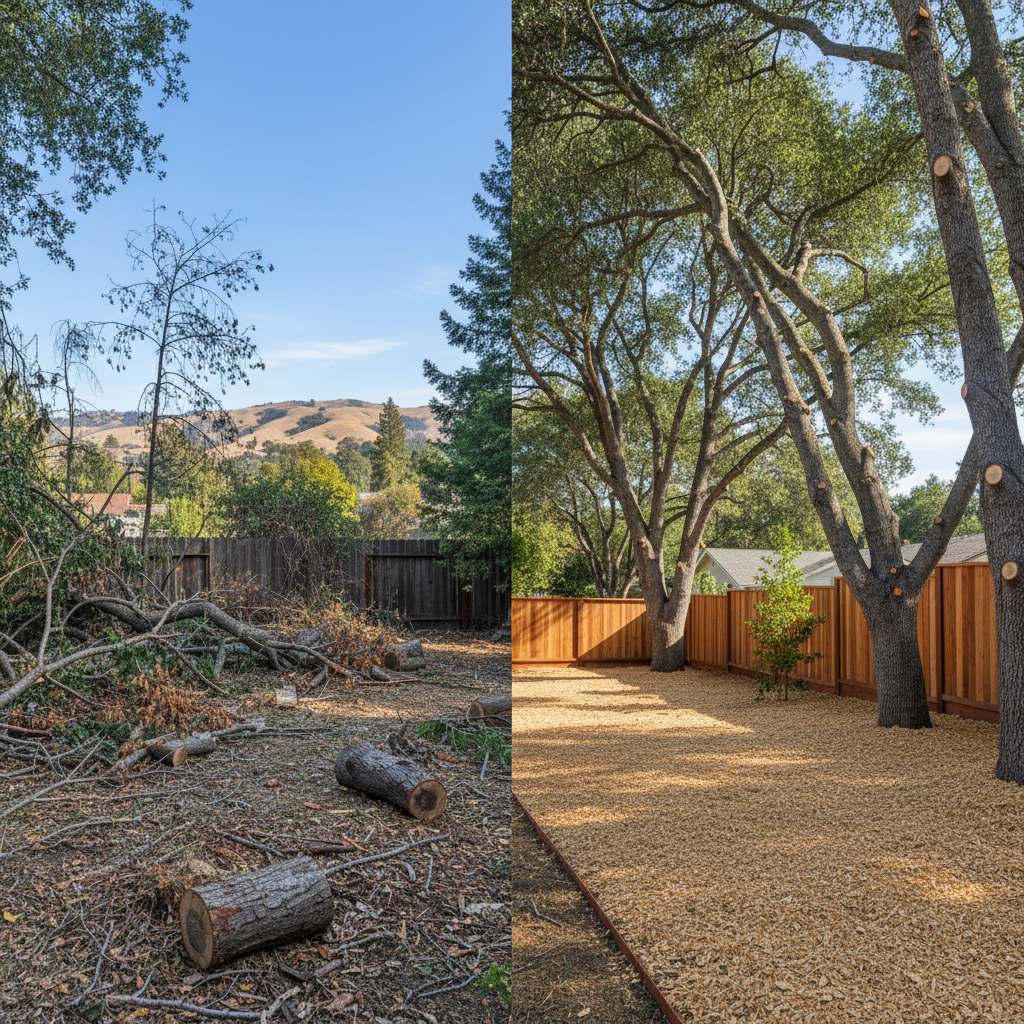
So, you've got trees on your property, and that's fantastic. They add value, shade, and a certain kind of beauty, don't they? But those trees need looking after, and pruning is a huge part of that. When you start thinking about getting your trees trimmed, you'll probably hear a few different terms tossed around. Today, I want to zero in on two main ways we approach this: structural pruning and aesthetic pruning. Both are important, sure, but they do different things, and knowing the difference can really save you some grief—and money—down the line.
What's Structural Pruning All About?
Structural pruning is pretty much what it sounds like: it's all about building and keeping your tree's frame strong and safe. Think of it as a chiropractor for your tree, if you will. We're checking out the main branches, how they're attached, and how they're growing. The big idea here is to help a strong central leader grow, make sure branches are spaced well, and encourage wide, healthy branch connections. We're getting rid of weak, crossing, or rubbing branches that could turn into real problems later. This kind of work is super important for younger trees, but it's just as vital for older, mature ones, especially after a big storm or if they've been ignored for a while.
Take, for example, a young oak tree up in the Montclair hills. We often get some pretty fierce winds whipping off the bay there, right? You absolutely want to focus on structural pruning early on for a tree like that. You're basically setting it up for a long, healthy life, cutting down the chances of a major limb breaking during a winter storm. It's preventative care at its absolute best.
Cost & Durability: Structural Pruning
- Cost: Generally, structural pruning might seem a bit more involved upfront, especially for bigger or neglected trees. But here's the kicker: it's an investment. By heading off future issues like broken limbs or disease, you're actually avoiding much pricier emergency services or even having to remove the tree entirely down the road. For young trees, it's usually a quicker, more affordable job.
- Durability: This is where structural pruning really shines. A tree that's structurally sound is way more resilient. It can handle high winds, heavy rain, and all the natural stresses of growing much better. You'll see fewer broken branches, less risk to your house or property, and a tree that lives longer and stays healthier.
Then There's Aesthetic Pruning
Aesthetic pruning, on the flip side, is all about making your tree look good. It's about shaping it, thinning it out so more light gets through, or taking off deadwood to make it more visually appealing. Now, don't get me wrong, this isn't unimportant; a beautiful tree definitely boosts curb appeal and can really make your yard pop. We're often removing smaller branches here to create a nicer canopy shape, or to make sure enough sunlight reaches your garden beds down below.
Sometimes people want a very specific look – maybe a more open canopy for a particular view, or they need branches kept away from a roofline without hurting the tree's overall health. That's precisely where aesthetic trimming comes in. It's a balancing act: making the tree look fantastic while still respecting how it naturally grows.
Cost & Durability: Aesthetic Pruning
- Cost: Aesthetic pruning can really vary. If it's just a light touch-up on a small tree, it might cost less than a major structural overhaul. However, if you're trying to drastically reshape a big tree or keep a very specific, unnatural form, it can become quite a bit of work—and therefore more expensive—over time.
- Durability: This is where you need to be careful. If you do aesthetic pruning without thinking about the tree's structure and health, it can actually weaken it. Thinning too much, for instance, can leave the tree open to sunburn or stress. Chopping off too many lower branches (what we call "lion-tailing") can pile all the weight at the ends of limbs, making them much more likely to snap. So, while it might make the tree look good initially, poor aesthetic pruning can really cut down on its long-term durability.
My Recommendation for Oakland Homeowners
Here's the honest truth: you really need both types of pruning, but structural pruning should always be the top priority. Especially for younger trees and any tree that hasn't been properly cared for. Get that structure right first. Make absolutely sure your tree is safe and healthy. Once you've got that solid foundation, then you can start thinking about how it looks.
For most homeowners in Oakland, I'd say focus on structural pruning every few years, and then consider lighter aesthetic touch-ups as needed. Don't trade the long-term health and safety of your tree for a quick visual fix. A tree with good structure will naturally look better and be safer in the long run, won't it?
When we come out for a job at Oakland Tree Service, we always check out the tree's health and structure first. We'll chat with you about what you're hoping to achieve—safety, appearance, or both—and then suggest the best way forward. It's all about smart tree care, not just hacking away.